
Skin health guide
Protect & prevent
Skin cancer is the most common form of cancer in the United States. However, when caught early and treated promptly, most skin cancers, including melanoma, can have a positive outcome.
- 1 in 5Americans will develop skin cancer in their lifetime
- Up to 99%survival rate for most skin cancers, including melanoma, when caught early
- Age 18when dermatologists recommend starting annual skin screenings
Know the risks
Anyone can get skin cancer
But people with certain characteristics are at greater risk.
- 01A lighter natural skin color
- 02Skin that burns, freckles, reddens easily, or becomes painful in the sun
- 03Blue or green eyes
- 04Blond or red hair
- 05Certain types and a large number of moles
- 06A family history or personal history of skin cancer
- 07Exposure to UV rays
- 08Older age
Monthly self-exam
Time to look in the mirror and make a change
Between your annual skin exams, a monthly check at home helps you catch new or changing moles, spots, or lesions early, when treatment is most effective. It takes 10–15 minutes and is easiest right after a shower or bath.
What you’ll need
- A bright light
- A full-length mirror
- A handheld mirror for hard-to-see areas
- A spouse, partner, close friend or family member to help check your scalp and back
Consider taking photos of moles or spots to track changes. Most importantly, trust your intuition: if something looks new, unusual, or just “off,” schedule an appointment.
All done for this month. Noticed anything new or changing? Call an office to schedule a skin exam.
Dermatology edition
Myth or fact?
Dermatology-approved answers to keep your hair, skin, and nails healthy. Tap a card to flip it.
Providers’ picks
Wear your sunscreen!
The sunscreens used by our very own dermatology doctors and advanced practice providers. Look for mineral formulas with SPF 30 or higher.
-
 Dr. AmmarDouble Board-Certified Dermatologist
La Roche-Posay Anthelios SPF 50 Gentle Lotion Mineral Sunscreen
Face & body
La Roche-Posay has great mineral sunscreens for sensitive skin and can be used on both face and body. Any sunscreen is better than no sunscreen at all, as long as it’s mineral based.
-
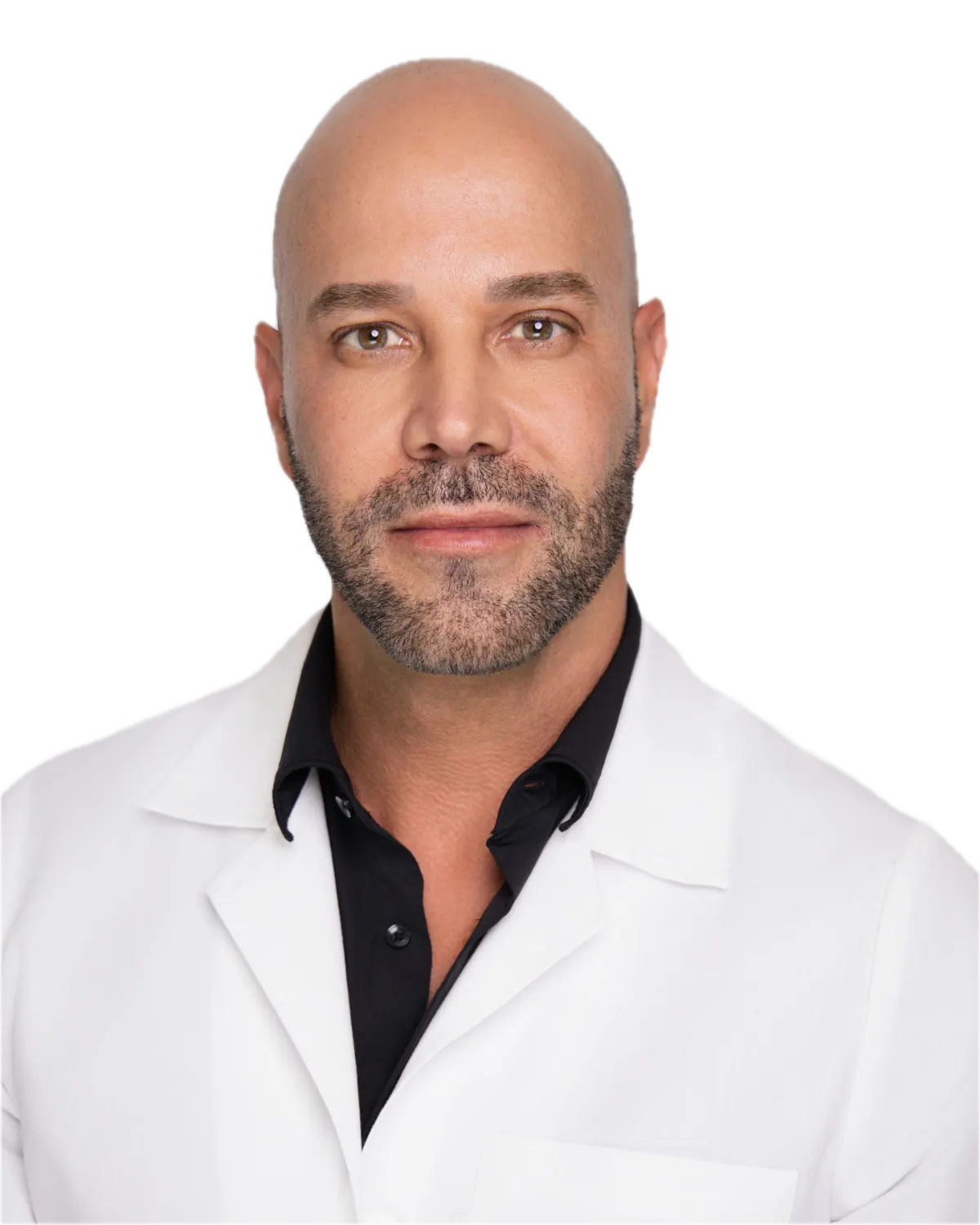 Dr. FernandezDouble Board-Certified Dermatologist & Mohs Surgeon
ISDIN Photo Eryfotona Ageless
Face, neck & hands
A favorite because it is a 100% mineral sunscreen (zinc oxide, titanium dioxide) with SPF 30+.
-
Dr. FernandezDouble Board-Certified Dermatologist & Mohs Surgeon
Supergoop! PLAY 100% Mineral Body Mist SPF 30
Body
On the body, he prefers a spray sunscreen: mineral based, with SPF 30+.
-
 MagdalenaNurse Practitioner
La Roche-Posay Anthelios Mineral Tinted Sunscreen SPF 50
Face
Great for the face because it is a mineral sunscreen with broad-spectrum protection against UVA and UVB. Non-greasy, lightweight, and adds a little color to the skin.
-
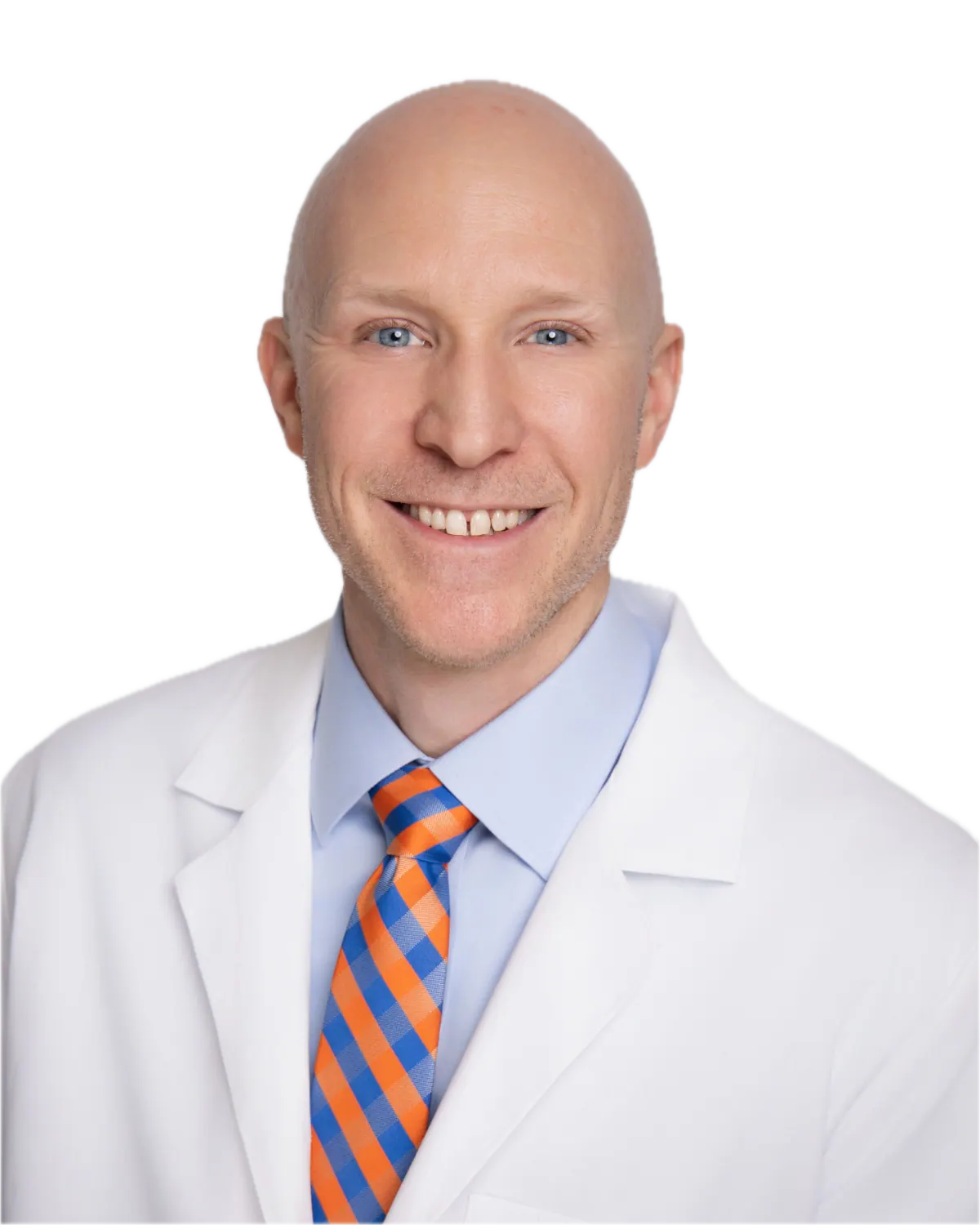 DarrenPhysician Assistant
Neutrogena Ultra Sheer SPF 70
Body
For the body, he prefers Neutrogena with an SPF greater than 50. A great cost-efficient sunscreen with great protection.
-
 GagandeepPhysician Assistant
EltaMD UV AOX Mist SPF 40
Face & body
Contains zinc and titanium oxide and gives broad coverage with no white cast. Lightweight and non-greasy.
-
 SukhchainNurse Practitioner
EltaMD UV Clear SPF 46
Face
Leaves the face feeling hydrated, mixes well with other skin care products, and is great for sensitive skin.
-
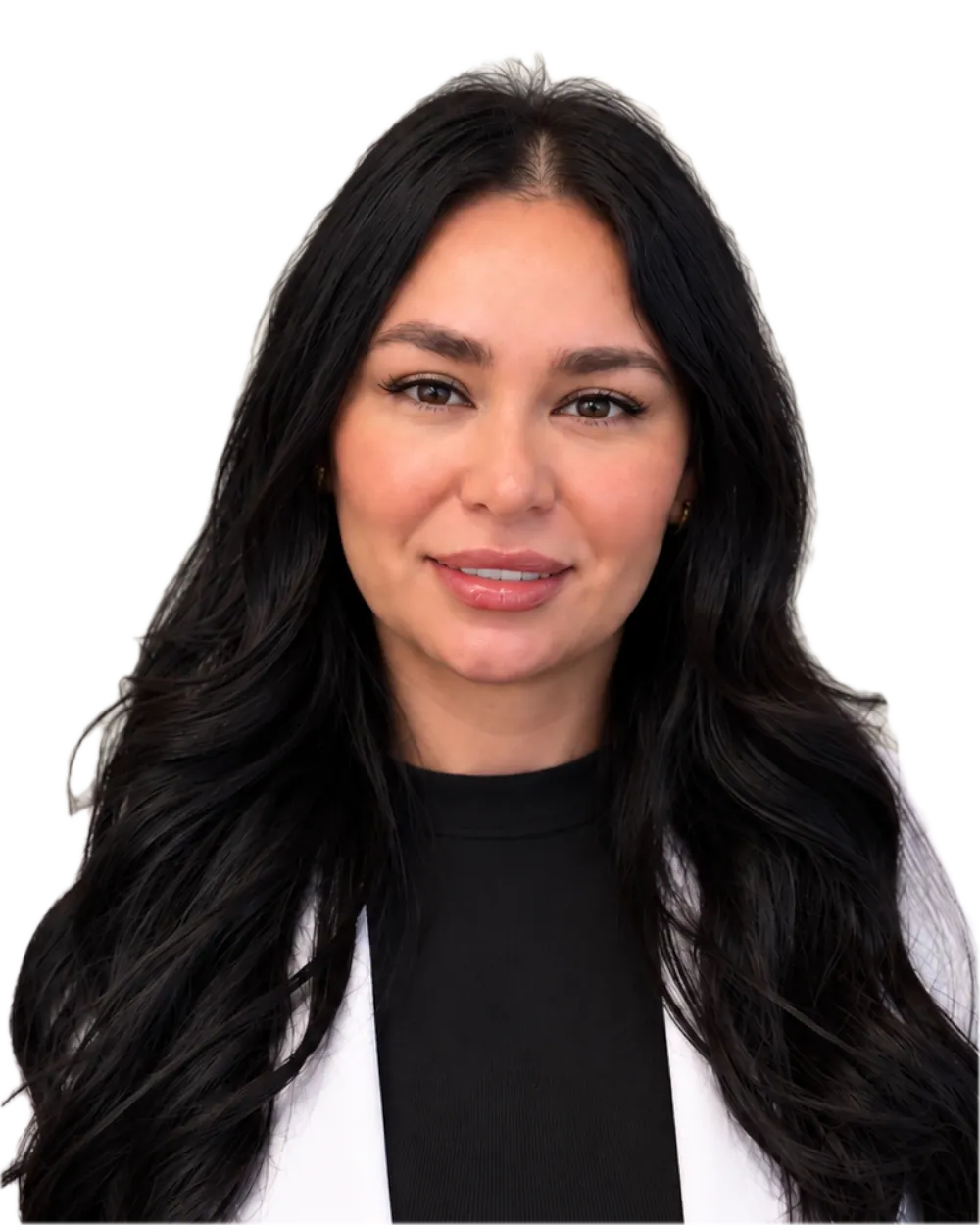 JessicaNurse Practitioner
CeraVe Hydrating Mineral Sunscreen Sheer Tint SPF 30
Face & body
Non-greasy, and comes in 3 shades that can color-match different skin tones.
Every day, protect your skin
- Seek shade when possible
- Apply sunscreen regularly, and reapply every two hours outdoors
- Wear wide-brimmed hats and protective clothing
- Do a self-exam every month
- See your dermatologist for an annual skin screening
Ready to get your skin screened?
Same-week appointments are available. Call the office nearest you.