It’s Time to Look in the Mirror and Make a Change
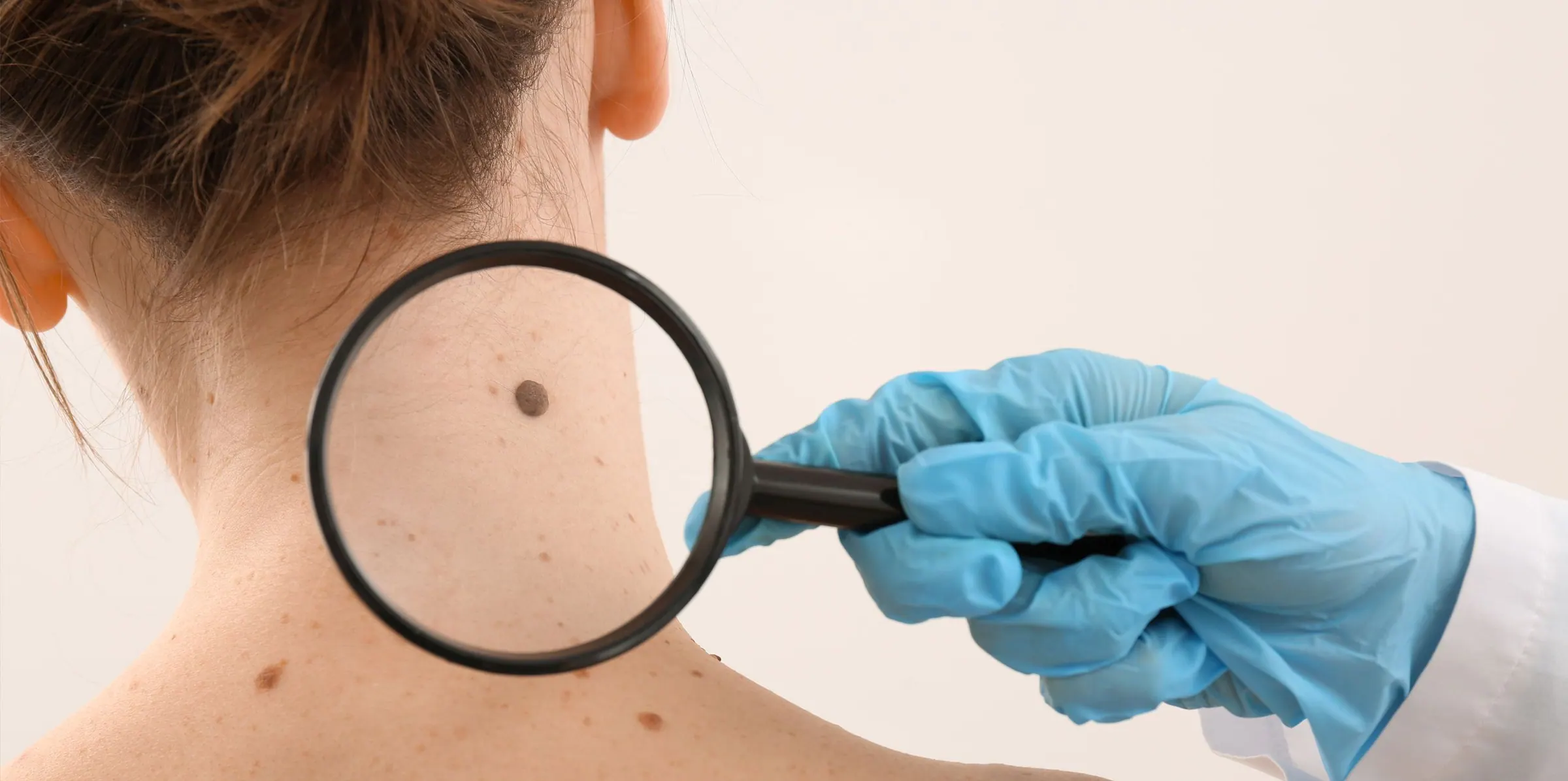
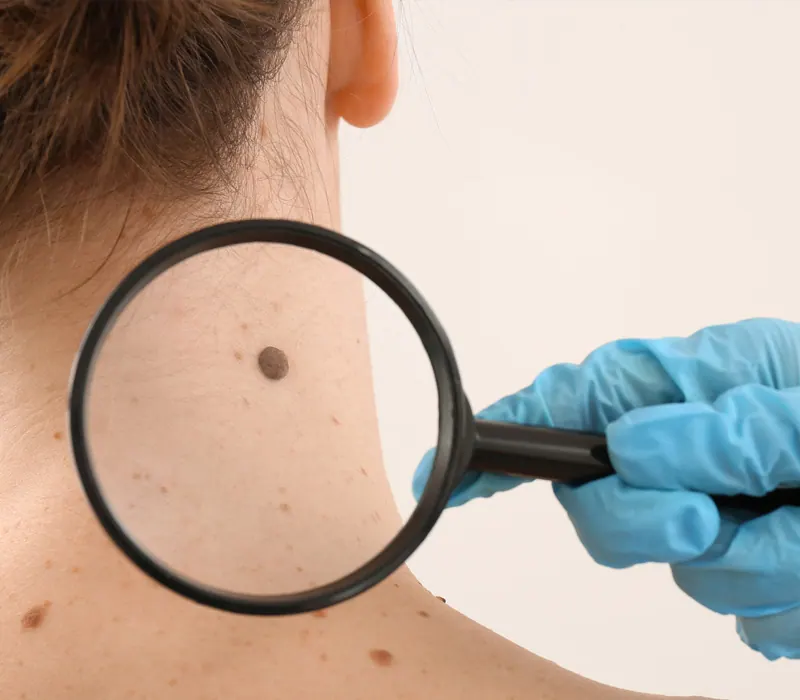
Complete monthly skin self-exams in an effort to prevent and detect skin cancer earlier!
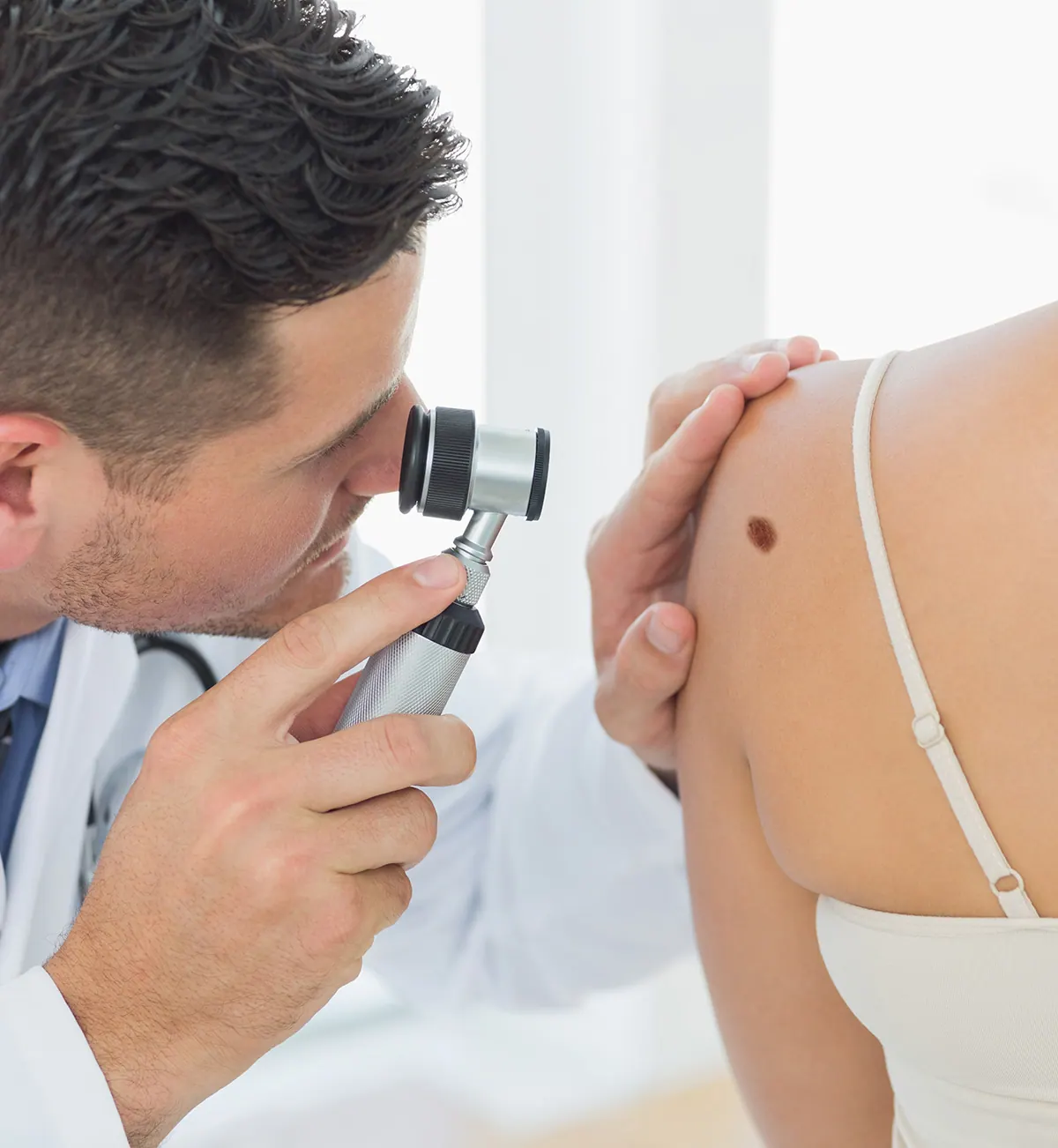
Early detection and prevention of any cancer is an ongoing process, and skin cancer is no different. To detect skin cancer, including melanoma, it is recommended that you have a routine skin exam by your dermatologist annually.
Between annual skin exams, stay proactive by monitoring your skin’s health for any changes through self-exams. Conducting a monthly skin check at home can help you catch new or changing moles, spots, or lesions early, when treatment is most effective.
A self-exam typically takes just 10–15 minutes and is easiest to do right after a shower or bath. Use the guide below to make it simple and thorough, or use our interactive self-exam checklist.
What you’ll need
- A bright light
- A full-length mirror
- A handheld mirror to inspect harder-to-see areas
- A spouse, partner, or close friend or family member (to help inspect your scalp or back)
What you’re looking for
Use the ABCDE rule to evaluate moles or spots: Asymmetry, Border, Color, Diameter and Evolving.
Step-by-step exam
- Face the full-length mirror.
- Start with your face: nose, lips, mouth, ears.
- Check your neck, collarbone area, and chest. Women should lift their breasts to check the skin underneath.
- Look at your hands: palms, backs, between fingers, and under nails.
- Examine wrists, forearms, and elbows.
- Stand in front of a mirror and inspect the upper arms and underarms.
- Turn slightly to inspect each side of your torso.
- Use two mirrors (full-length and handheld) to inspect the back of your neck, shoulders, upper and lower back, and buttocks.
- Sit down and check the front and back of your thighs, shins and calves, ankles and tops of feet, between your toes, the soles of your feet, and your toenails.
- Use a handheld mirror or ask someone to help, and use a blow-dryer or comb to part your hair in sections to check the scalp.
For the best results, perform a self-exam every month and consider taking photos of moles or spots to monitor any changes. Remember to check unexpected or hard-to-see areas, since skin cancer can show up anywhere. Most importantly, trust your intuition: if something looks new, unusual, or just “off,” schedule an appointment with your dermatologist.
Symptoms of skin cancer can vary, but often include growth or changes to your skin or nails. In addition to the ABCDE rule, look for new, bleeding, or poorly healing moles or spots.
The ASCI team suggests further protecting your skin by seeking shade when possible, applying sunscreen regularly, wearing wide-brimmed hats and protective clothing, and staying up to date with your annual dermatology screenings, in addition to self-skin exams.
Put your health first. Call ASCI Bakersfield or Tehachapi at (661) 616-1671 to schedule your skin exam.
Originally published in The Loop, December 20, 2025.